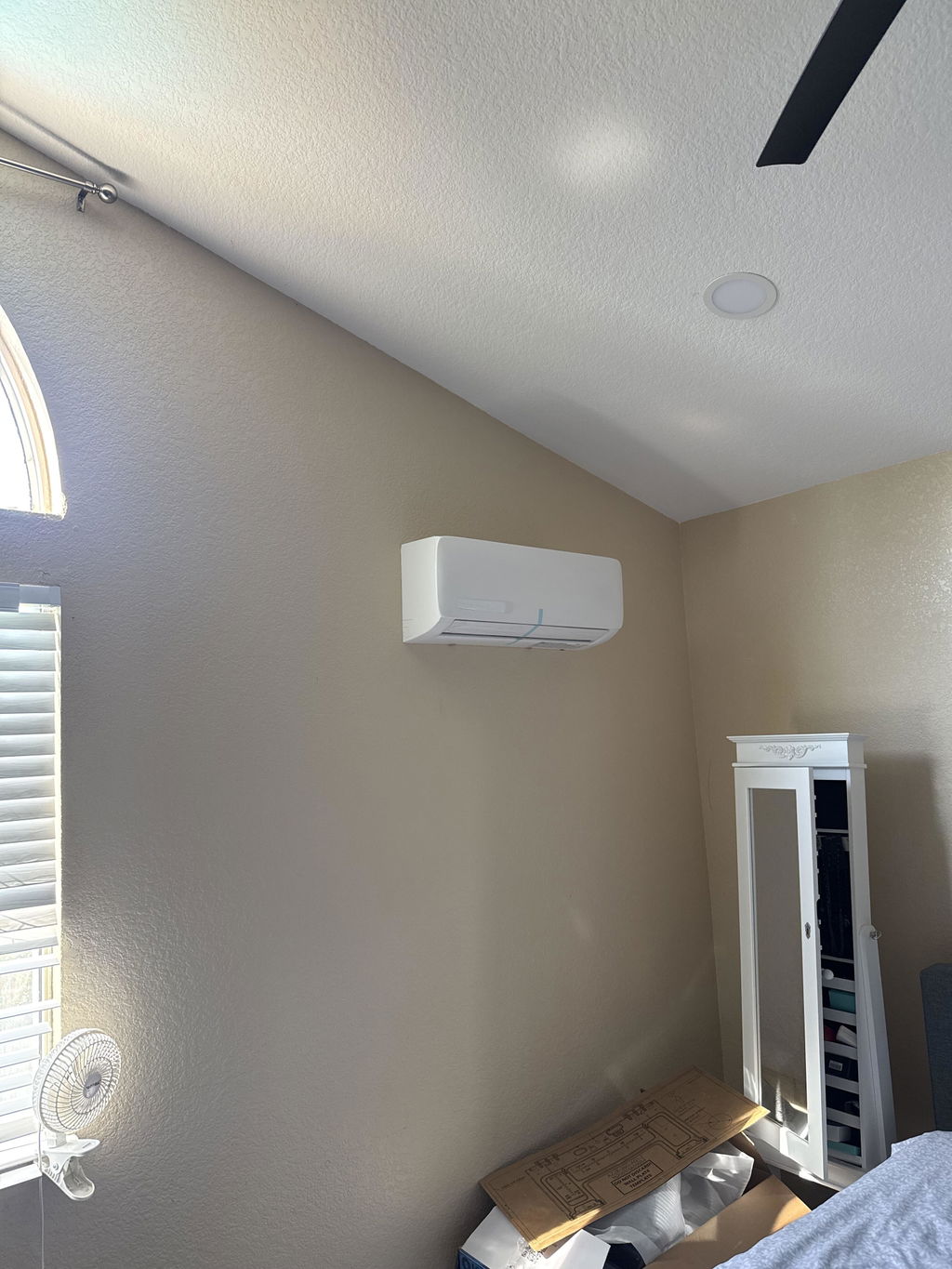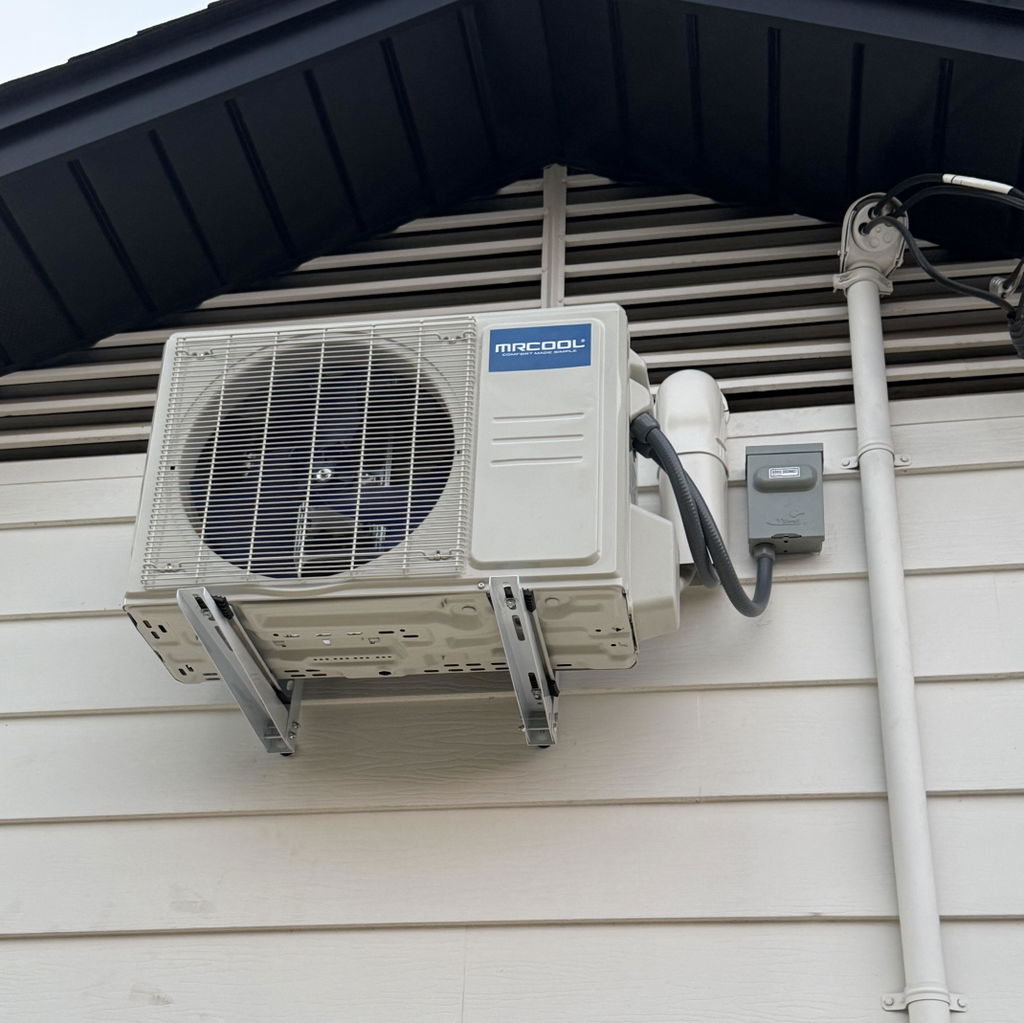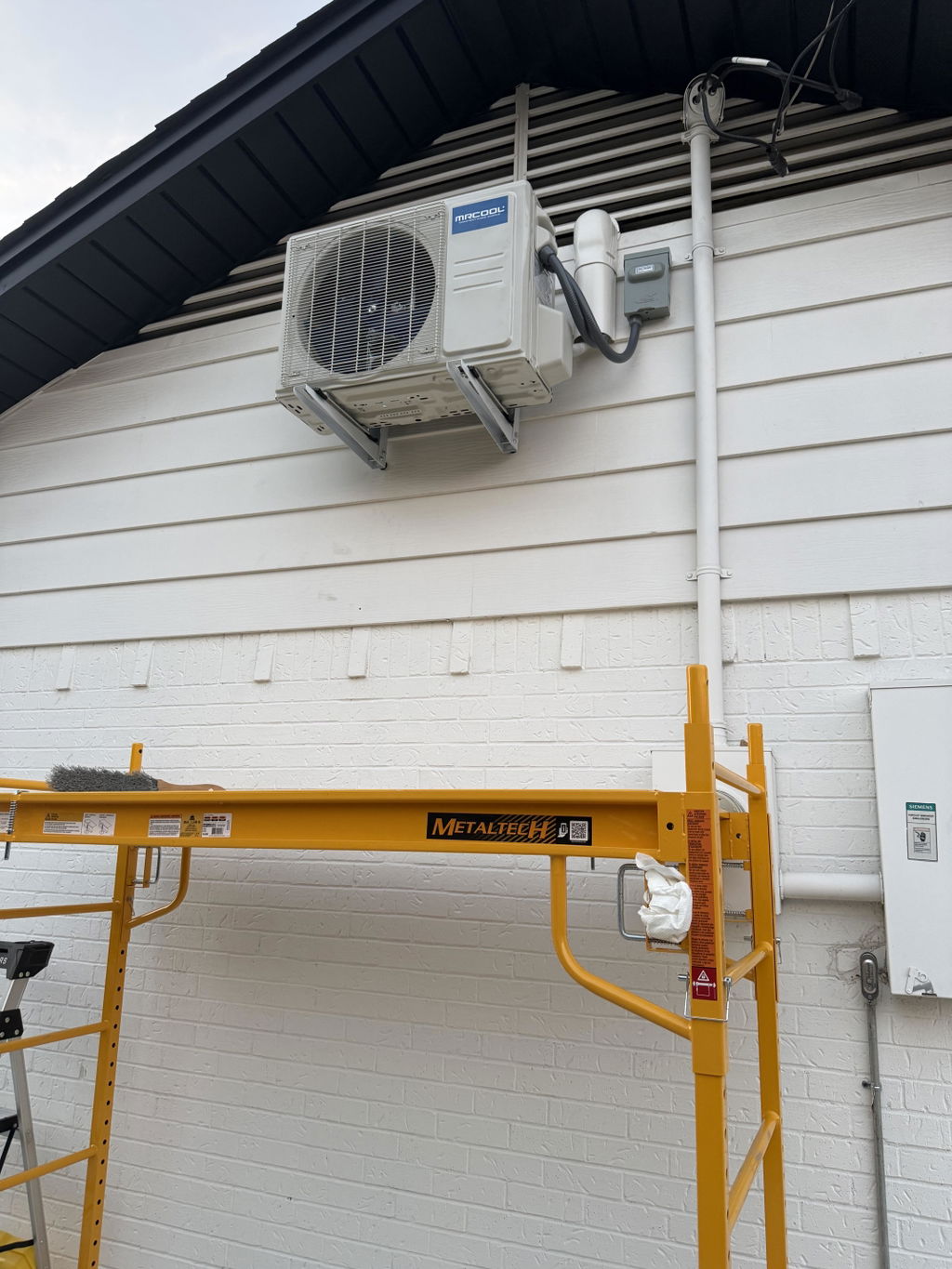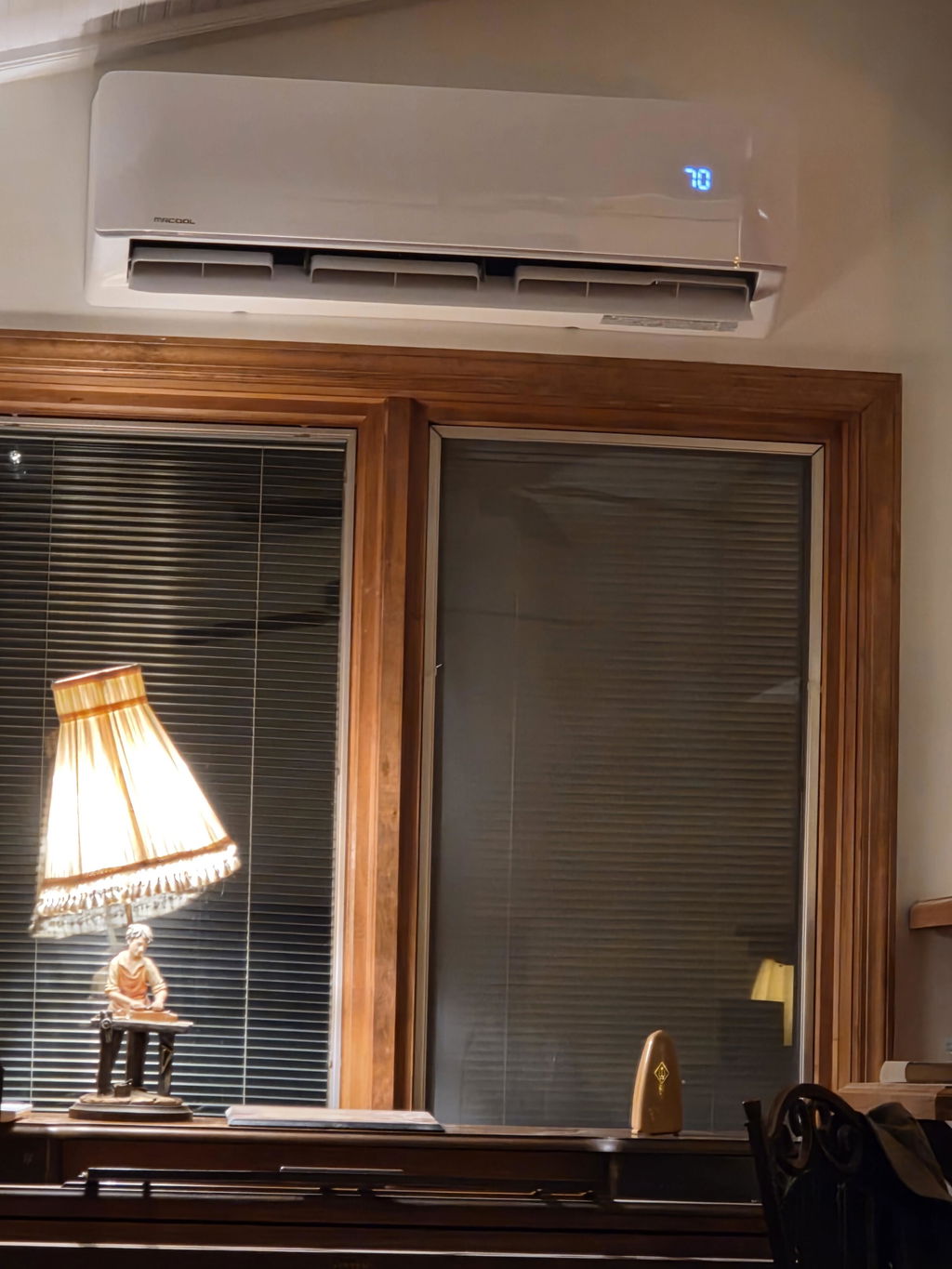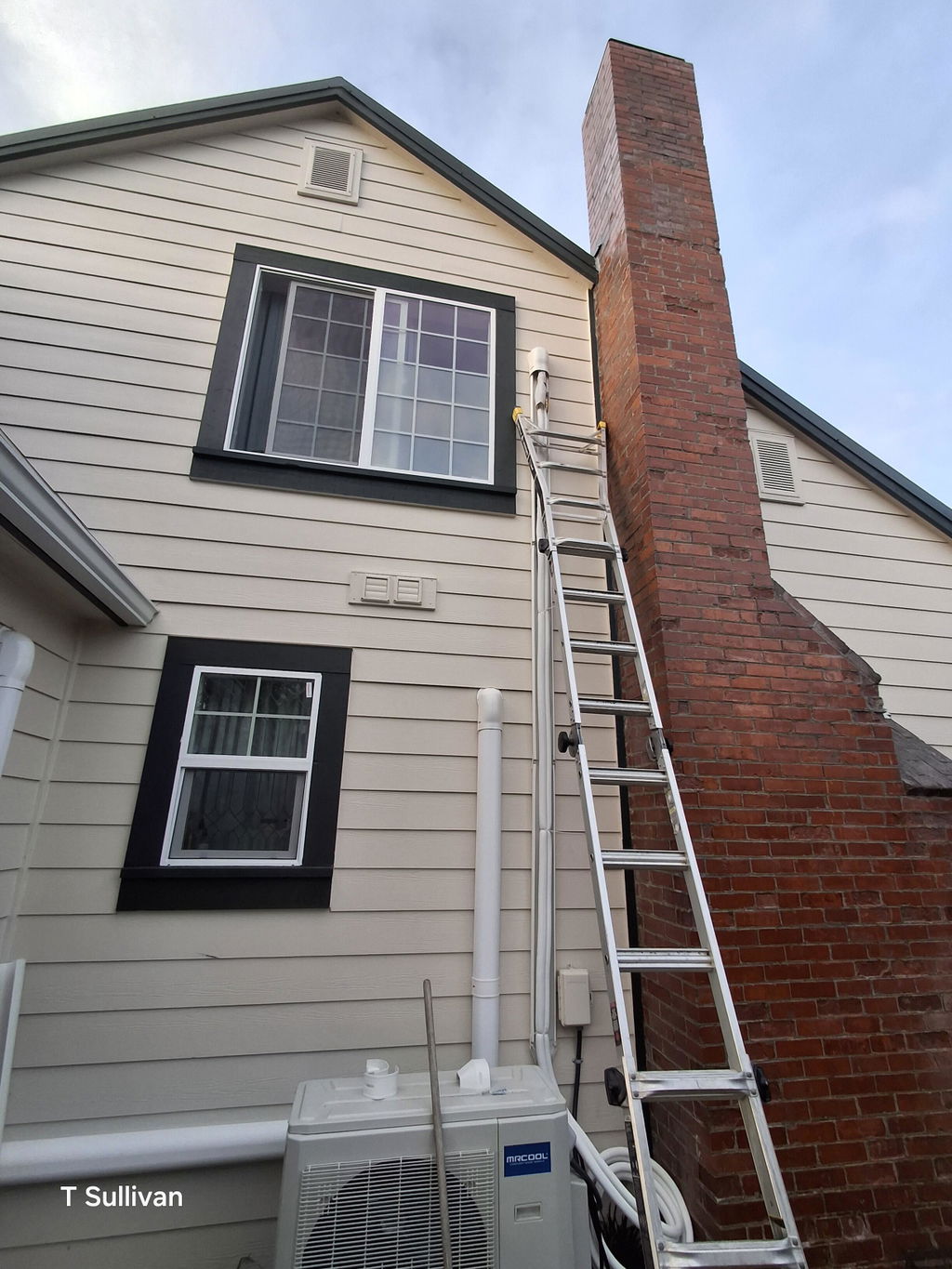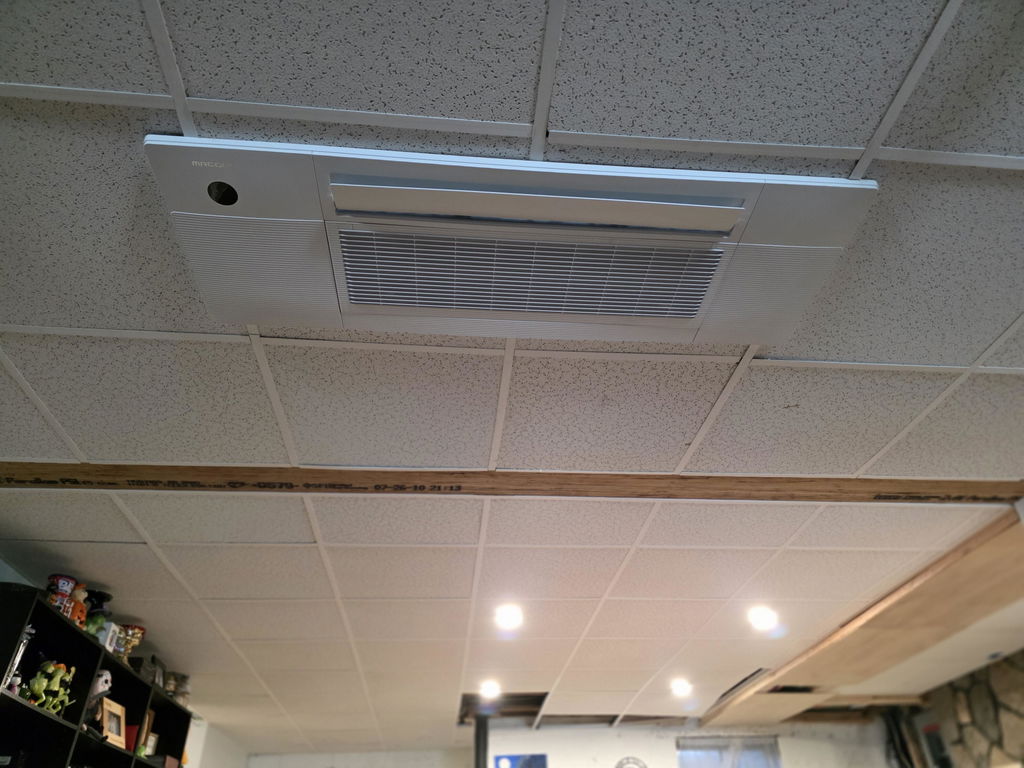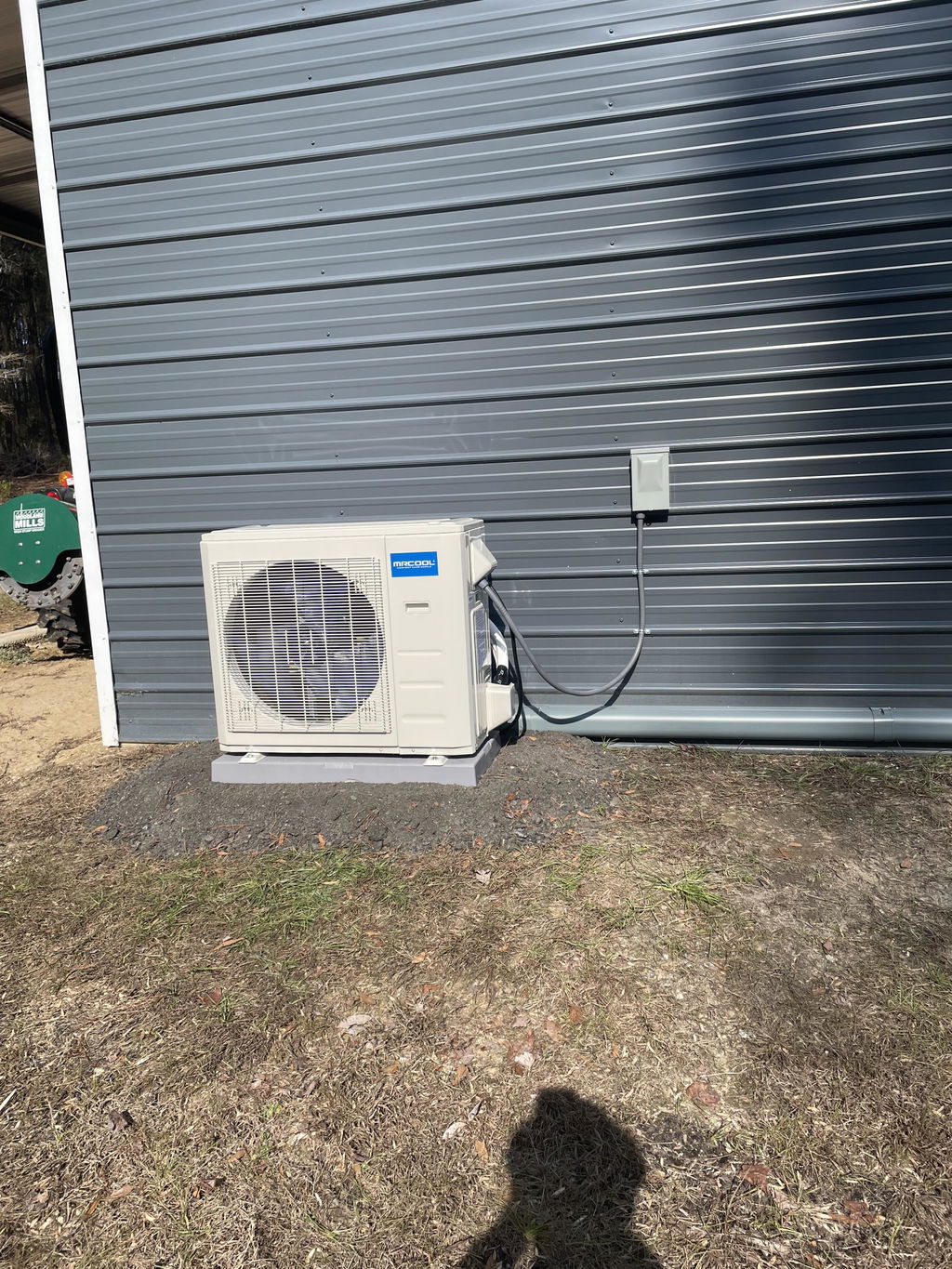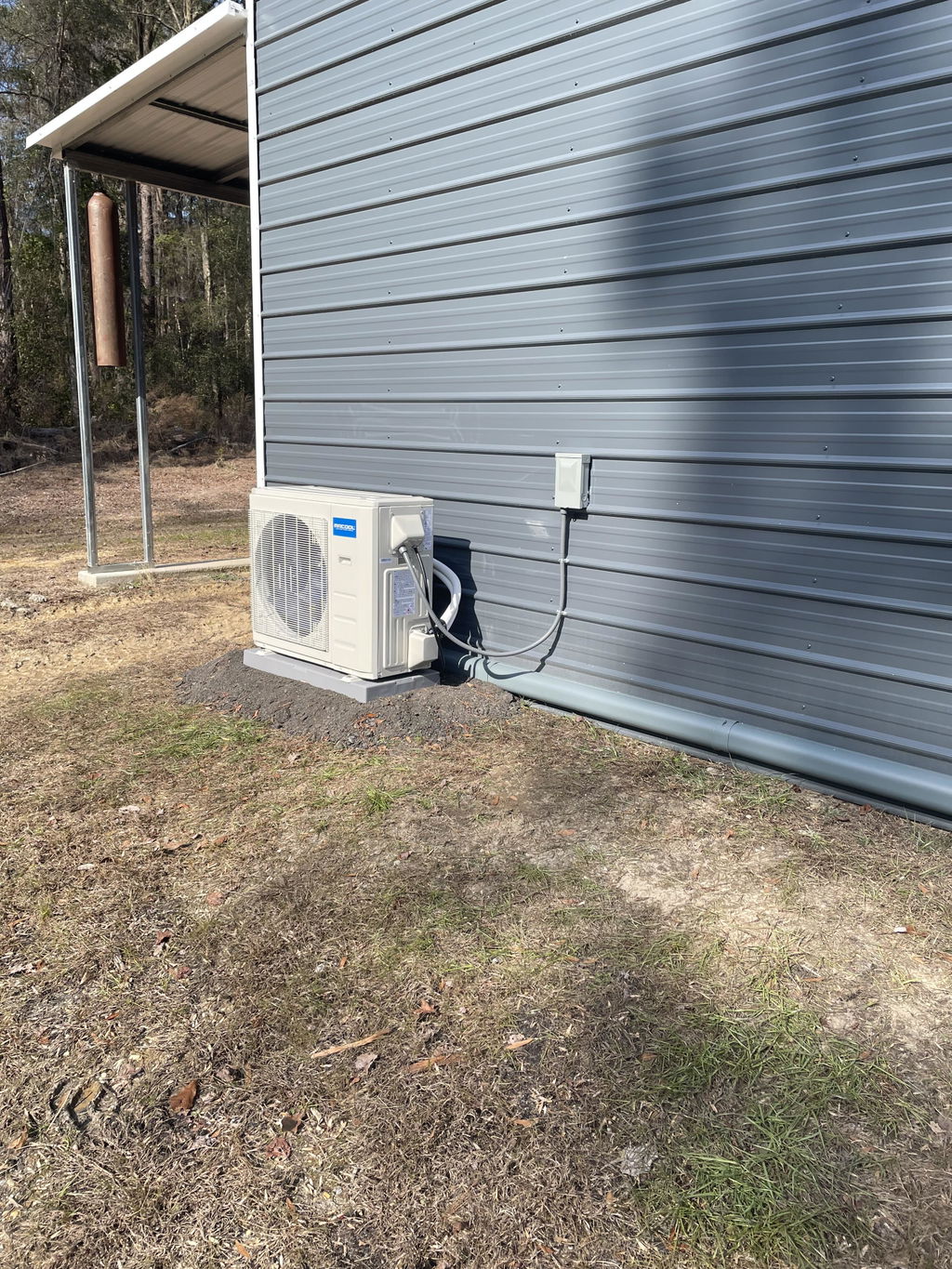


One outdoor unit or several? Here’s what changes for your comfort.
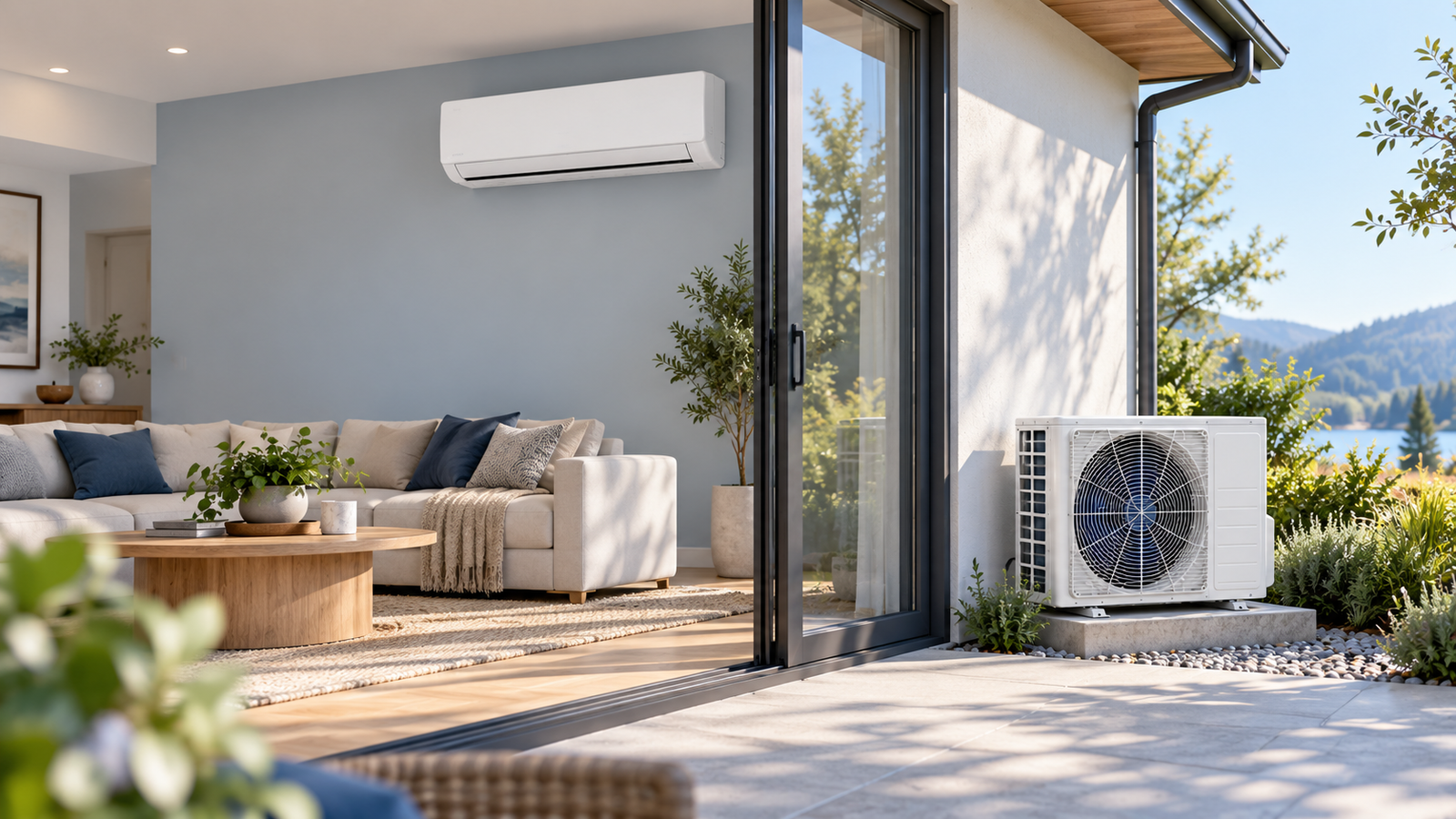
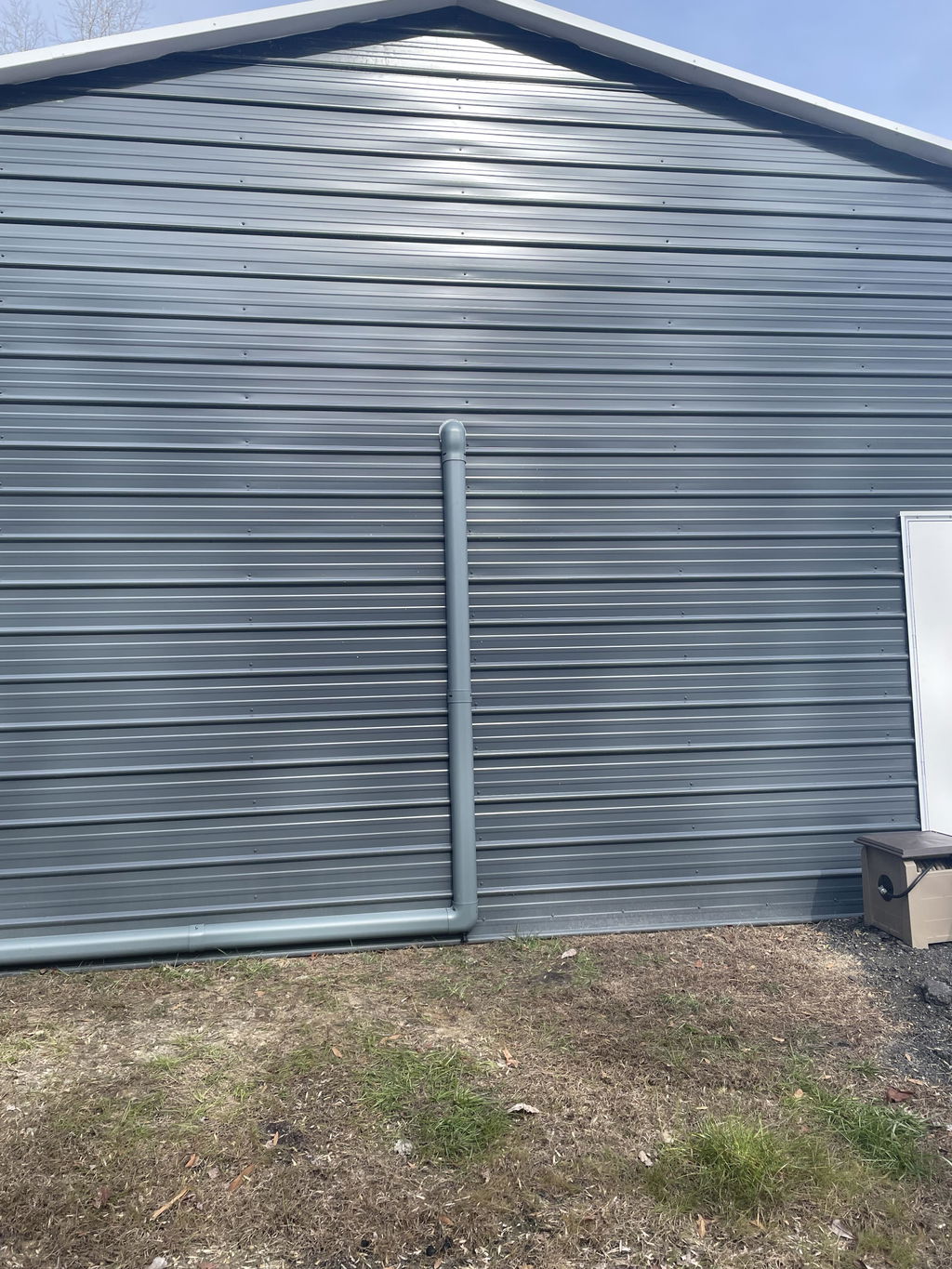
A quieter-looking backyard, an independently controlled garage, bedrooms set to different temperatures—the right mini split layout depends on what you want your system to do. Single-zone and multi-zone can both deliver room-by-room comfort. The real choice is how much equipment you want outside and how independently you want each space to operate.
What Is the Difference Between Single-Zone and Multi-Zone?
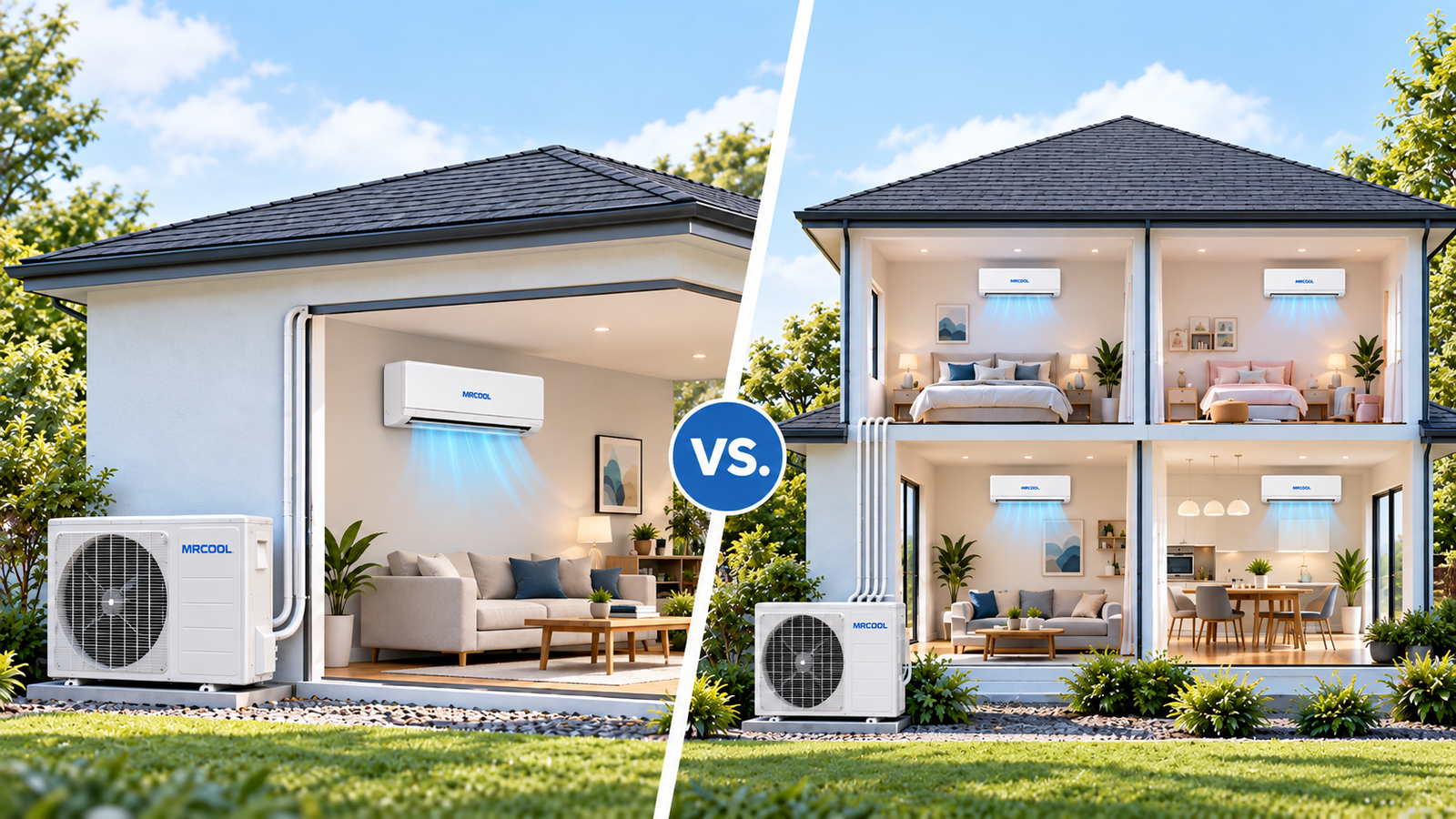
Single-Zone Mini Split
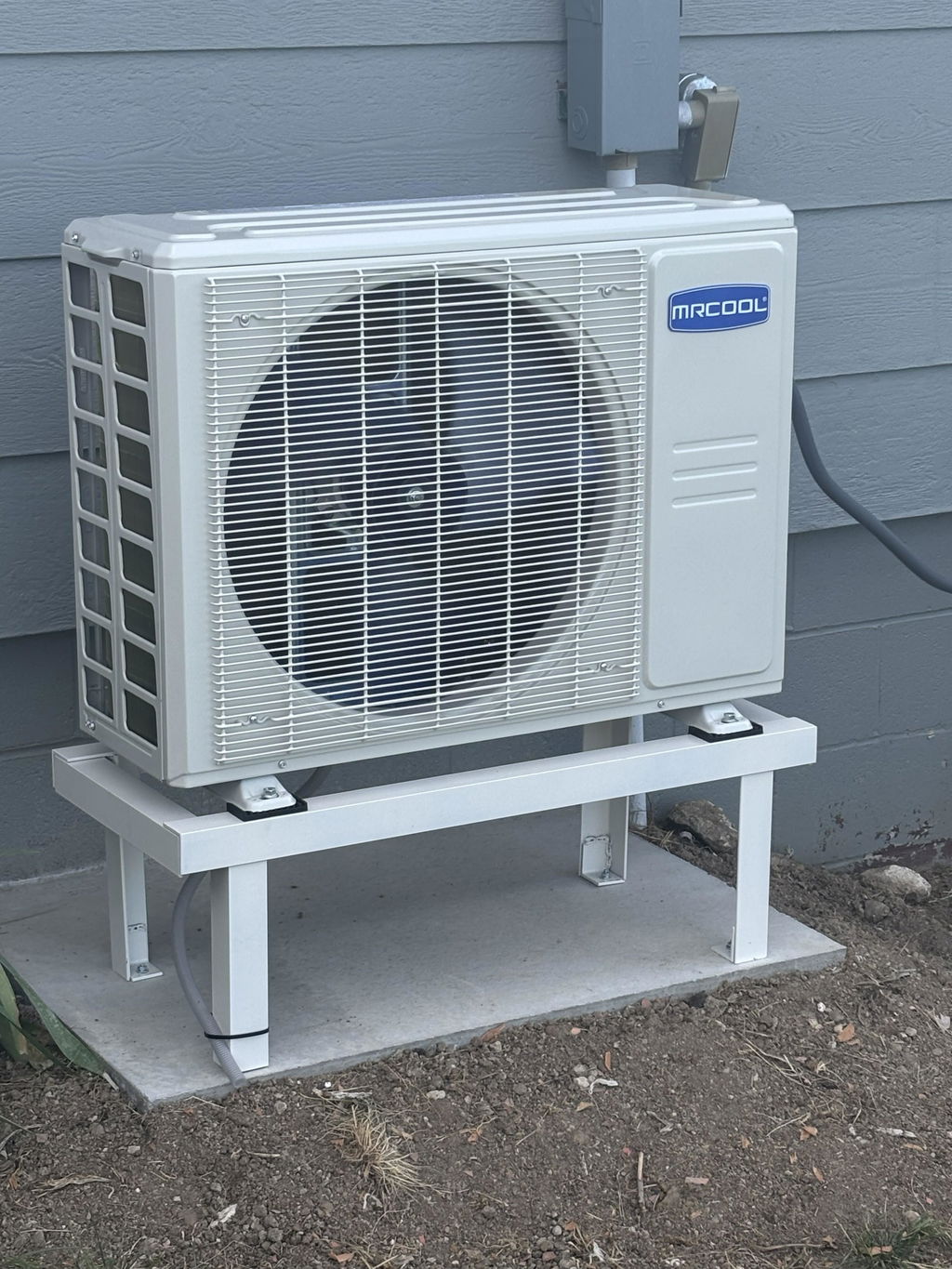
One outdoor unit. One indoor unit. One dedicated area.
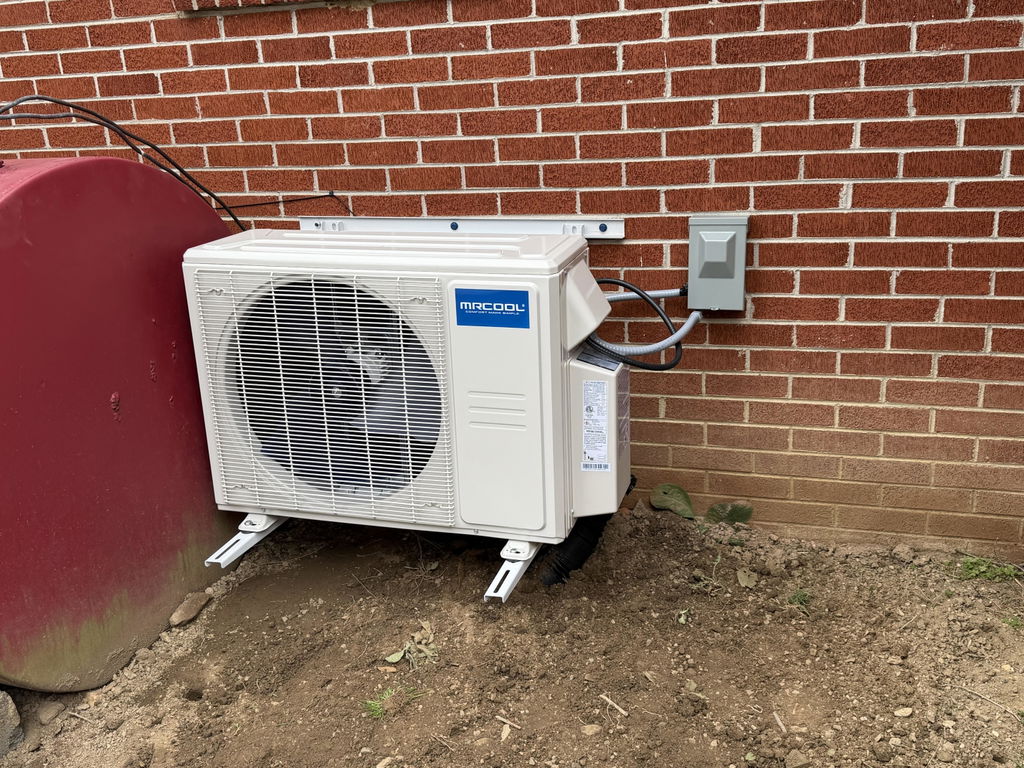
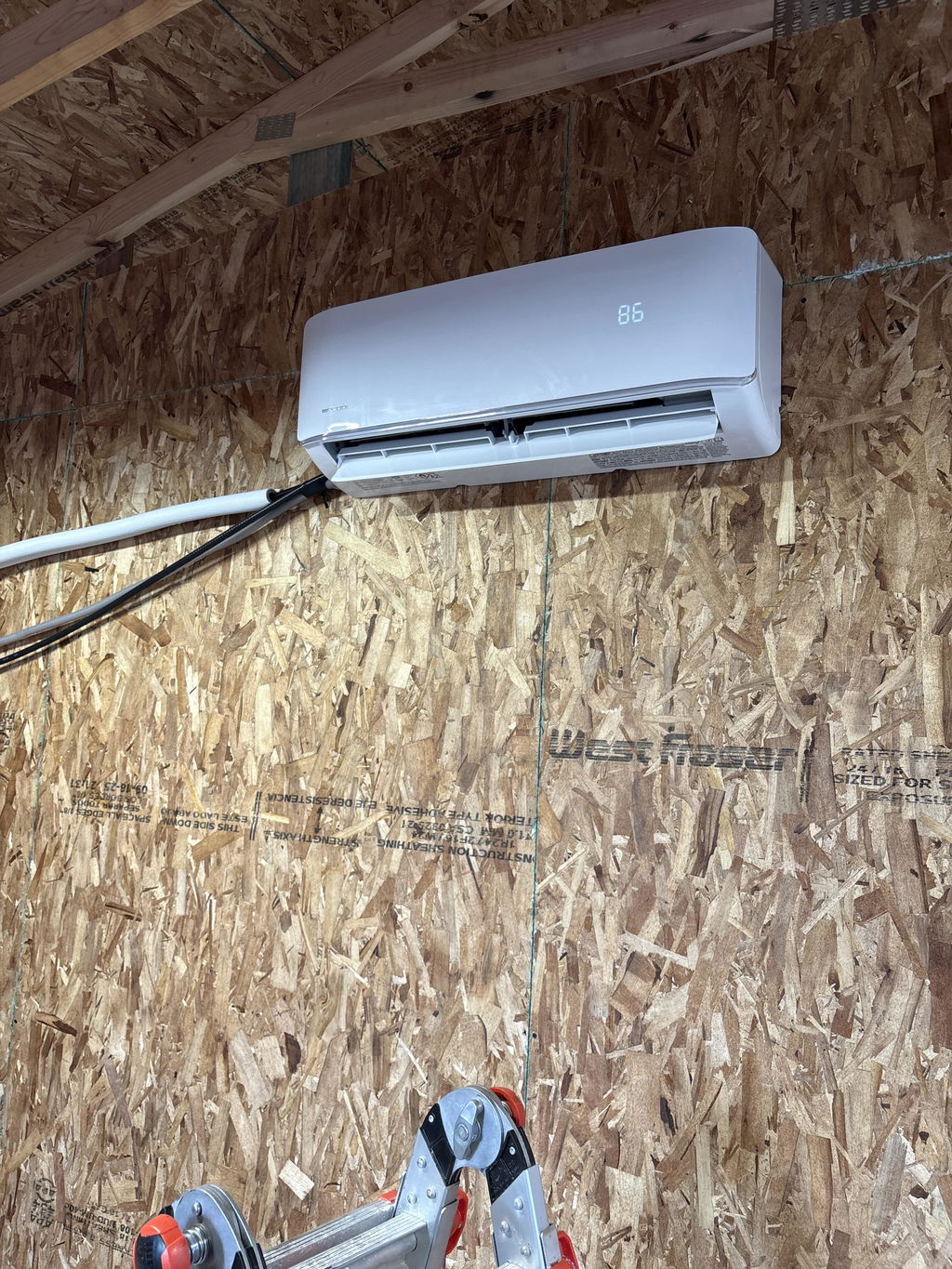
A practical layout for a bedroom, office, garage, addition, or open living area. Each complete system operates separately from other single-zone systems.
- Dedicated equipment for the area it serves
- Independent heating or cooling mode from other systems
- Additional rooms require additional systems or another layout
Multi-Zone Mini Split
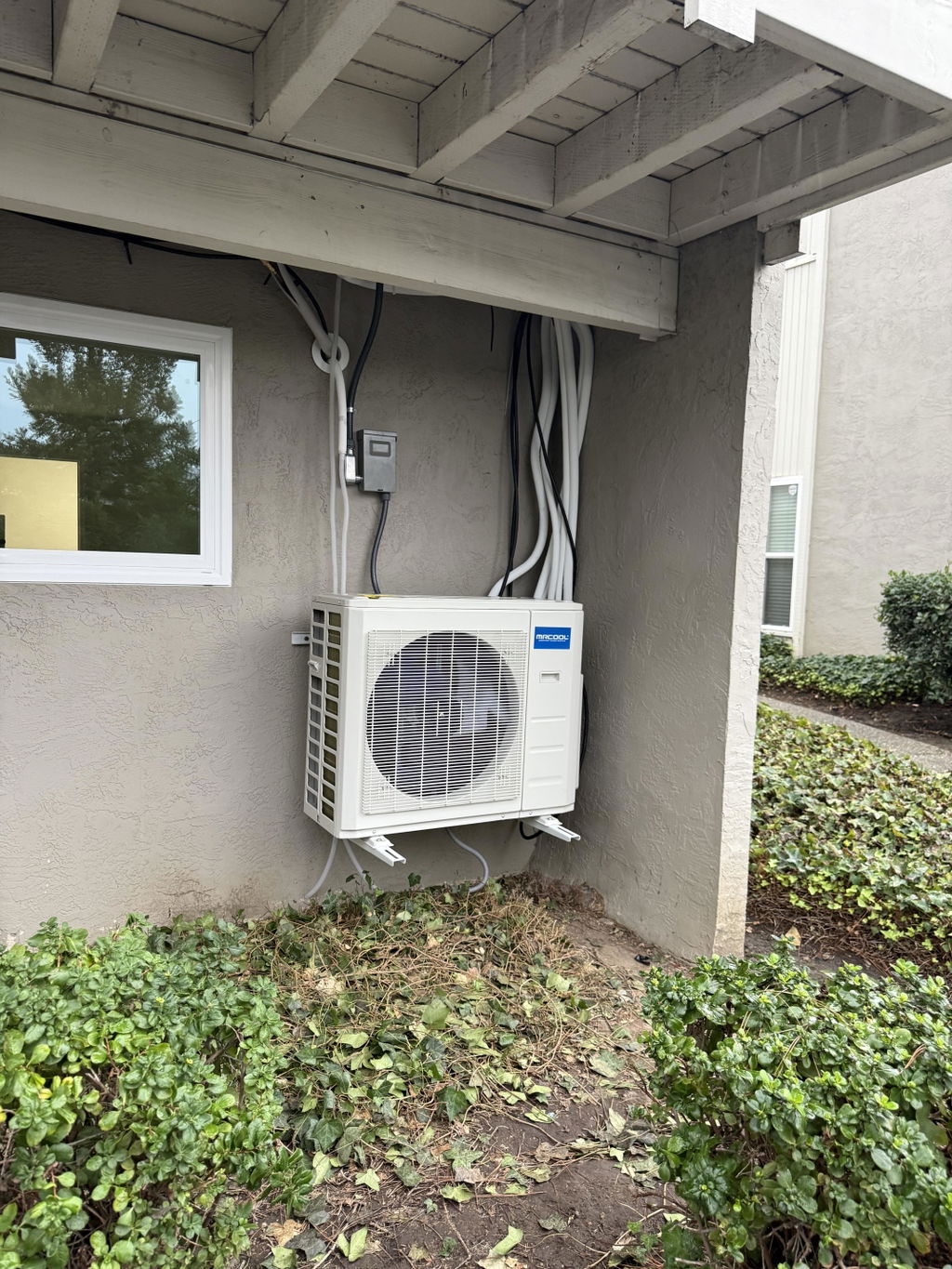
One shared outdoor unit. Several indoor units. Separate room settings.
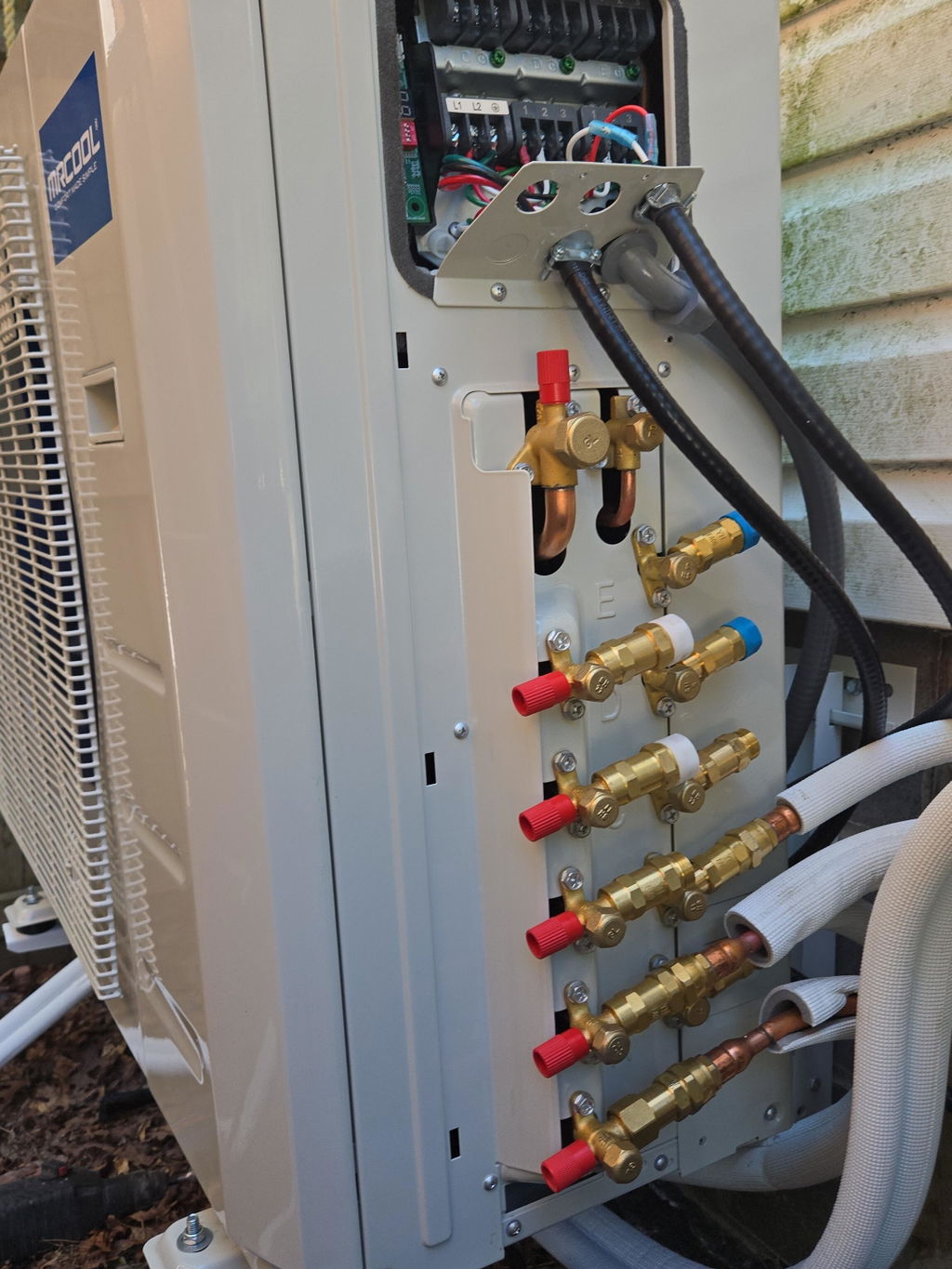
Useful when several rooms need conditioning and you want fewer outdoor units. Each indoor unit connects to the shared condenser through its own compatible refrigerant and communication connections.
- Separate temperature settings for individual zones
- Shared outdoor capacity and heating/cooling mode
- A manufacturer-approved equipment combination is essential
Why Choose Single-Zone Mini Splits?
Single-zone is about giving a space its own complete heating and cooling system. Install one for an individual room, or use several separate systems when independence matters across the home.
Run Each Space on Its Own Terms
A dedicated garage or office can follow a different routine from the house. With separate systems, one area can cool while another heats—useful during mild weather when sun exposure and room use create different needs.
The benefit: independent operating modes, as well as separate temperature settings.
Give a Demanding Room Dedicated Equipment
A sunny addition or frequently used workshop has its own load. A correctly selected single-zone system serves that area without sharing its outdoor unit’s capacity with other rooms.
The benefit: equipment selected around that space’s heating and cooling needs. Correct sizing still matters.
Improve the Rooms You Need Now
If the rest of the house is comfortable, you can address the problem room without replacing the existing HVAC system. Later, another area can receive its own system when budget and plans allow.
The benefit: a practical way to tackle separate projects in stages without reserving spare capacity on a shared condenser.
Keep Separate Systems Separate
If a fault stops one dedicated system, other independently operating systems may continue conditioning their rooms. This can matter when the systems serve occupied bedrooms or a home office.
The benefit: fewer rooms depending on the same outdoor unit. Shared power outages can still affect them all.
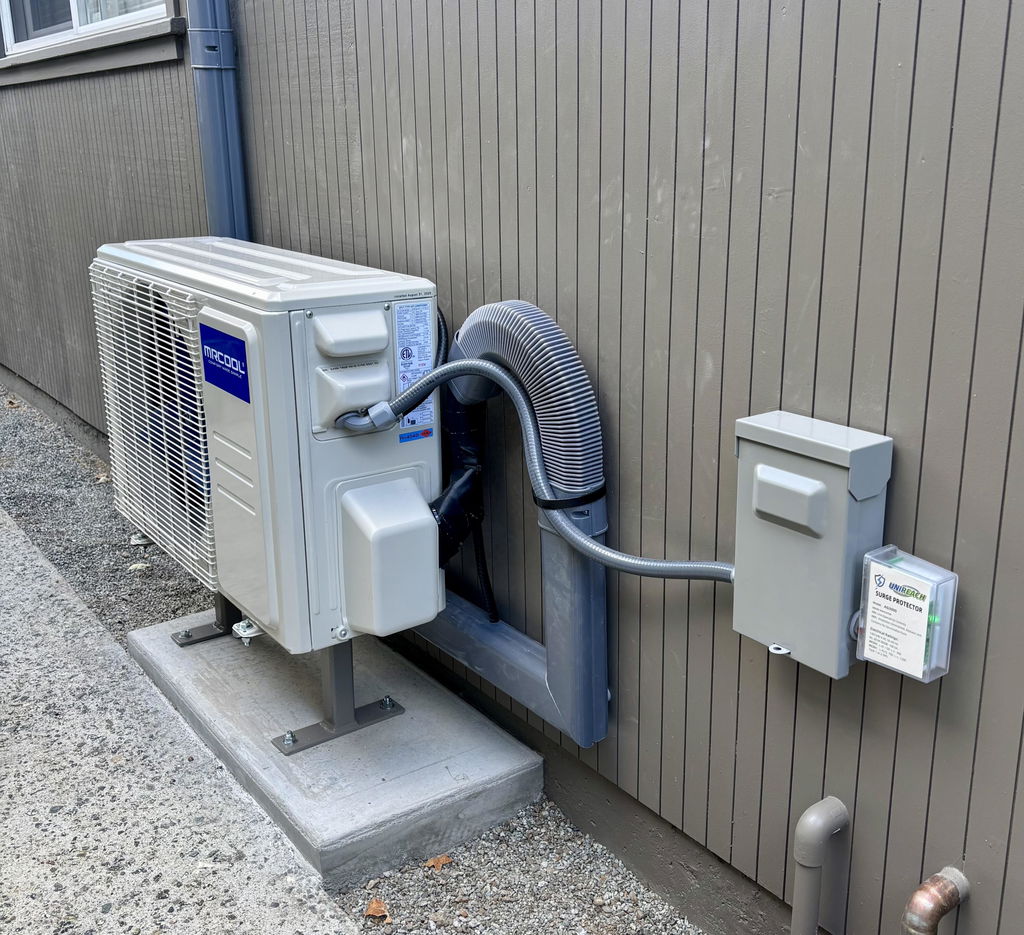
The tradeoff: several single-zone systems mean several outdoor units to place, maintain, and supply with the required electrical provisions. That can be less appealing when exterior space is limited.
Why Choose a Multi-Zone Mini Split?
Multi-zone brings several indoor comfort zones together on one outdoor unit. It is worth considering when multiple rooms need conditioning and you want a more consolidated exterior setup.
Different Room Temperatures, Fewer Outdoor Units
One person may prefer a cooler bedroom while another wants a warmer setting. Multi-zone gives each connected indoor unit its own temperature setting without putting a dedicated condenser outside for every room.
The benefit: personalized room settings with fewer condensers around the home.
Make Better Use of Exterior Space
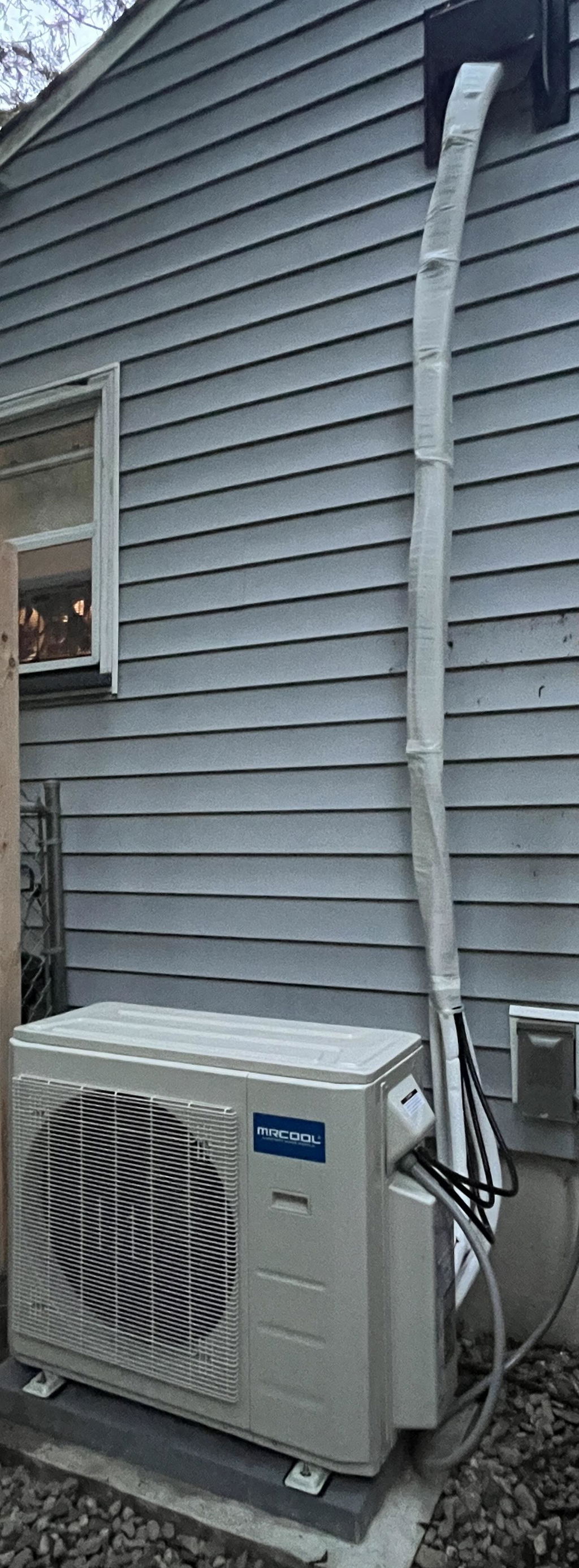
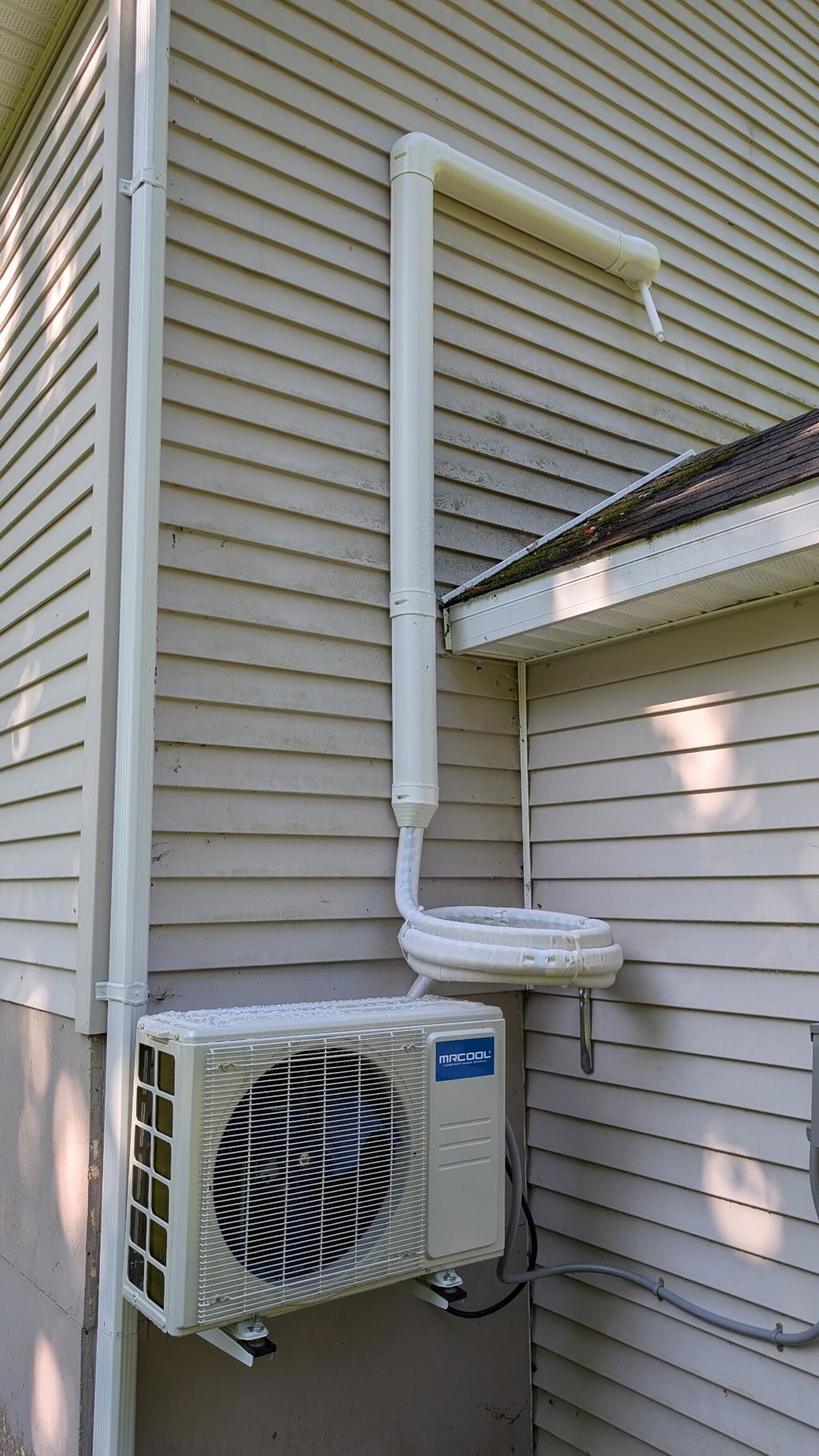
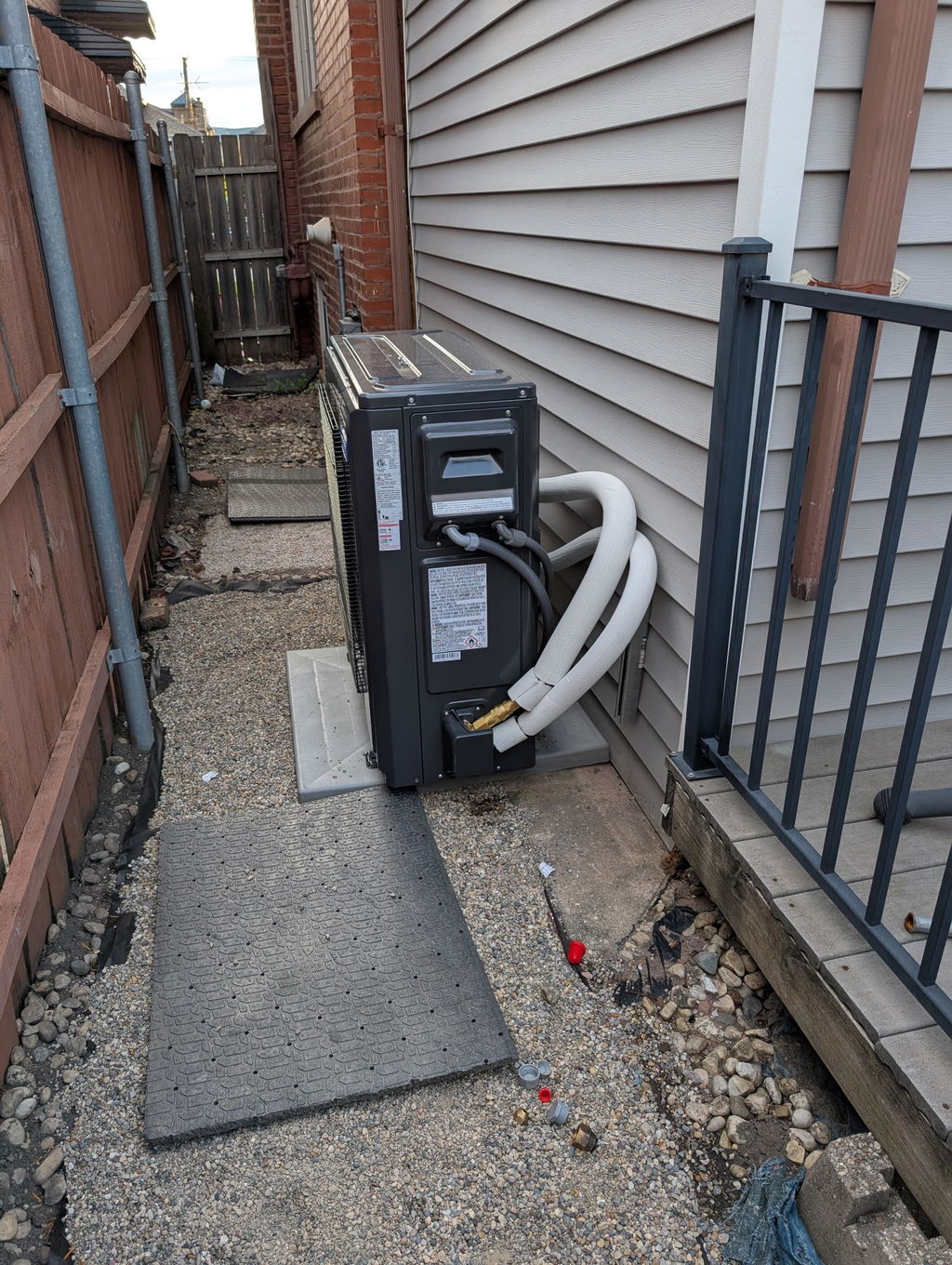
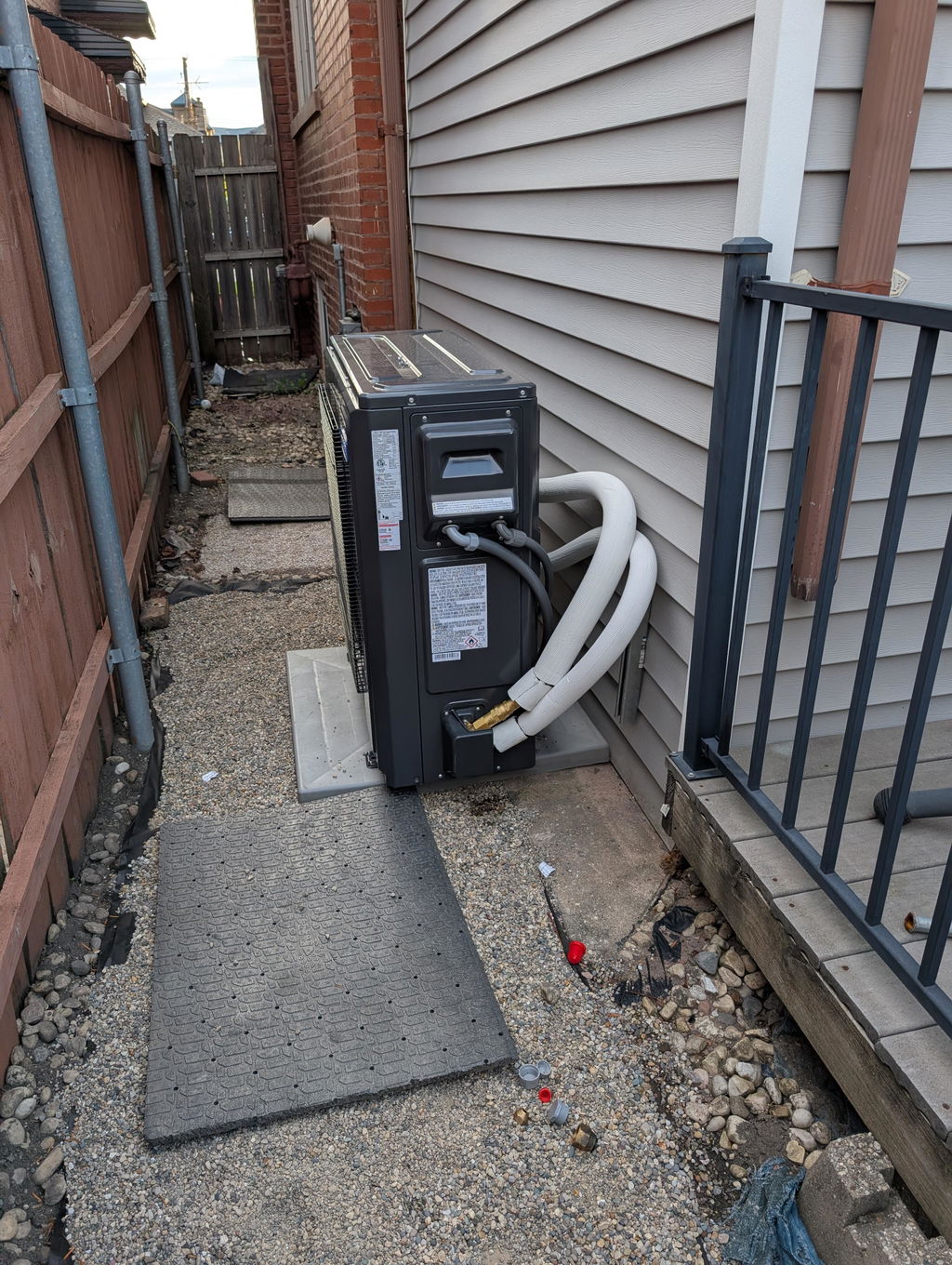
When a side yard, patio, or usable wall area is limited, consolidating outdoor equipment can make the layout easier to accommodate and the exterior less crowded.
The benefit: fewer equipment footprints and mounting locations. The shared condenser still needs airflow clearance and service access.
Serve Enclosed Rooms Directly
Dedicated indoor units can condition separate bedrooms and living areas instead of expecting air from a hallway unit to reach every room through doorways.
The benefit: room-level air delivery and controls. Multiple single-zone systems can provide this benefit too; multi-zone combines it with one outdoor unit.
Choose Indoor Styles for Different Rooms
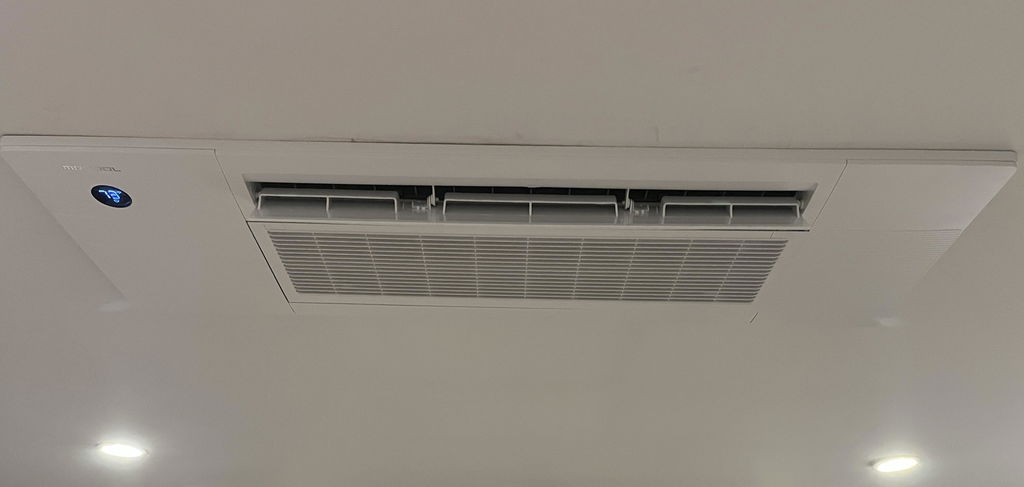
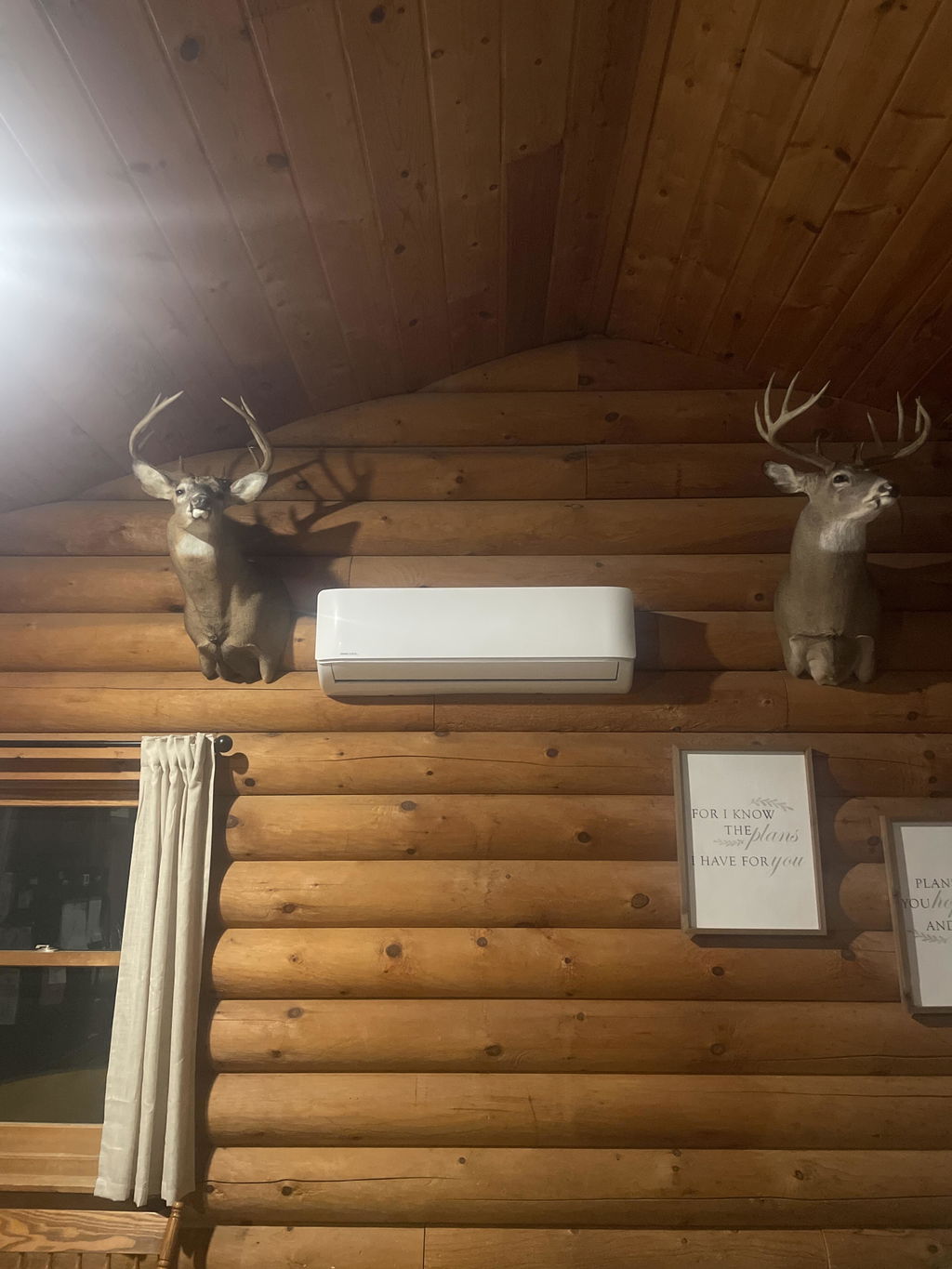
In approved MRCOOL configurations, compatible wall-mounted units and ceiling cassettes can suit different rooms. A cassette can preserve wall space, while a wall-mounted unit may be a straightforward fit elsewhere.
The benefit: a coordinated multi-room system with indoor styles that fit the spaces. Confirm compatibility before mixing equipment.
The tradeoff: connected zones share the outdoor unit’s capacity and operating mode. Multi-zone provides separate temperature settings, but these residential MRCOOL systems cannot heat one room and cool another simultaneously.
What Do Both Layouts Give You?
Both can provide heating and cooling without installing a conventional duct network in the rooms they serve. Both can offer separate room settings when each area has its own indoor unit. Multi-zone’s standout advantage is fewer outdoor units; separate single-zone systems’ standout advantage is greater operating independence.
Single-Zone vs. Multi-Zone: a Quick Comparison
Swipe sideways to compare all columns. The comparison labels stay visible.
| What Matters? | One or More Single-Zone Systems | One Multi-Zone System |
|---|---|---|
| Outdoor Units | One for each single-zone system | One shared by several indoor units |
| Room Temperature Settings | Separate settings for each system | Separate settings for each indoor zone |
| Heating and Cooling at the Same Time | Separate systems can use different modes | Connected zones share a compatible operating mode |
| Available Capacity | Dedicated to the area served by each system | Shared among connected zones; output depends on the equipment combination and conditions |
| Refrigerant Line Routes | Each indoor unit connects to its own outdoor unit | Each indoor unit needs a route to the shared outdoor unit |
| A Shared Outdoor-Unit Fault | A fault in one system need not stop the others | Can interrupt conditioning across its connected zones |
| Adding Rooms Later | A separate system can be added for another area | Requires compatible equipment, approved capacity limits, available connections, and suitable line routes |
| Upfront Cost and Efficiency | Compare the complete installation and exact matched-system ratings | Compare the complete installation and exact matched-system ratings |
Which Layout Makes Sense for Your Space?
Start with how the rooms are used, where outdoor equipment can go, and whether the spaces need the same operating mode.
One Room That Never Feels Comfortable
A bedroom that stays warm, a new addition, or a garage you want to use year-round can benefit from its own single-zone system. You can address that space without changing comfort settings throughout the house.
Best fit: a defined area with a calculated load and a suitable indoor-unit location.
Explore Single-Zone →Bedrooms with Different Comfort Preferences
Multi-zone lets each bedroom have its own temperature setting while sharing one outdoor unit. That can be appealing when several enclosed rooms need conditioning and you want fewer condensers outside.
Best fit: rooms that can share heating or cooling mode, with an approved equipment combination.
Explore Three-Zone →A Workshop on Its Own Schedule
A garage may need cooling during a project while the house needs heat on a mild morning. A separate single-zone system lets it follow its own operating mode and occupancy schedule.
Best fit: spaces whose loads and usage differ substantially from the rest of the home.
Explore Dedicated Systems →A Cleaner Exterior Layout
For several rooms, one multi-zone condenser can help keep outdoor equipment concentrated in a suitable location rather than spread around the property.
Best fit: limited outdoor placement options with practical refrigerant routes to each room.
Plan a Multi-Zone Layout →Rooms That Need Opposite Modes
Separate single-zone systems let a sunny office cool while a shaded bedroom heats. Multi-zone offers different setpoints, but it cannot deliver those opposite modes from the same shared condenser.
Best fit: actual simultaneous heating and cooling needs, rather than simply different temperature preferences.
Explore Independent Systems →Room-By-Room Upgrades Over Time
Separate systems let you complete one area and add another system later. Multi-zone expansion can also work when the initial and future configurations are approved.
Best fit: a phased budget and a plan that confirms equipment compatibility and installation requirements.
Discuss Your Expansion Plan →Is Multi-Zone Cheaper or More Efficient?
Compare the Installed Project Price
There is no universal price winner. Several single-zone systems add outdoor units and their installation provisions. Multi-zone reduces condenser count but can require longer or more complicated routes to reach one location.
Compare equipment, line sets and connections, mounting, drainage, electrical work, labor, and any building work. A lower equipment price alone does not establish the lower total project cost.
Compare Performance for Your Actual Use
Zone count alone does not establish efficiency. Review the ratings for the exact matched system, its capacity range, and how your rooms are used.
If only a small bedroom needs conditioning much of the time, minimum output and part-load behavior deserve attention. A large shared system is not automatically the best match for a small active load.
Plan the Layout Before Selecting the Equipment
1. Calculate Room Loads
Account for climate, insulation, windows, ceiling height, equipment heat, occupancy, and target temperatures. Square footage is a starting point, not a complete sizing method.
A room-by-room Manual J calculation provides a basis for sizing. Oversized or poorly placed indoor units can hurt temperature and humidity control.
2. Check Winter Heating Needs
If this is your primary heat source, compare heating capacity at local winter design conditions with the building’s heat loss. A minimum operating temperature is not a promise of full output.
Evaluate the equipment’s cold-weather performance and whether backup heat is needed. Single-zone versus multi-zone is a layout choice; it does not identify the right winter performance by itself.
3. Match the Whole System
Choose manufacturer-approved indoor and outdoor combinations. The sum of indoor-unit nameplate capacities does not create extra outdoor capacity.
Where the manufacturer permits connected indoor capacity above the outdoor unit’s nominal rating, that is a configuration allowance—not additional outdoor output. Use the manufacturer’s combination and performance information rather than assuming every room receives its full nameplate output simultaneously.
4. Map Connections and Access
Measure actual refrigerant routes, turns, elevation changes, drainage paths, and service access. Each zone needs its own suitable connection path.
Line-length and elevation limits depend on the equipment and connection system. Verify individual and total limits in the current installation manual before choosing DIY Line Sets.
Buying a Larger Condenser for Future Rooms?
Check the approved starting configuration first. MRCOOL guidance requires a minimum connected capacity for its DIY multi-zone systems; unused ports alone do not establish that a partial installation is suitable. Follow the exact equipment’s requirements before operating now or expanding later.
Single-Zone and Multi-Zone Do Not Mean DIY and Professional
These terms describe equipment layout. Installation type is a separate choice. MRCOOL offers DIY Quick Connect options and contractor-installed equipment; choose a series and approved configuration that fits your installation plan.
DIY refrigerant connections do not remove electrical, mounting, drainage, or local installation requirements. For the differences among the product families, read our MRCOOL Mini Split Series Comparison.
Frequently Asked Questions
Is one multi-zone system better than several single-zone systems?
Neither is better for every project. Multi-zone reduces outdoor-unit count and provides separate room temperature settings. Separate single-zone systems offer independent operating modes and dedicated equipment for each area. Compare loads, placement, line routes, performance, and total installed cost.
Can I set different temperatures in different multi-zone rooms?
Yes. Connected indoor units can have separate temperature settings. However, the residential MRCOOL multi-zone systems discussed here cannot heat one room and cool another simultaneously from the same outdoor unit.
Does every multi-zone room have to run all the time?
Separate controls let you adjust room operation, but a shared refrigerant system does not behave like several completely separate systems. Follow the selected equipment’s operating instructions. Do not confuse installed connected-capacity requirements with the amount of heating or cooling the rooms are requesting at a given moment.
Can a single indoor unit cool several bedrooms?
A unit in one room or hallway should not be assumed to condition enclosed bedrooms evenly, especially with doors closed. Plan air delivery to each space. Open connected areas may share an indoor unit when the load, layout, and placement support it.
Can I add another indoor unit to a single-zone system?
A single-zone condenser is designed for a matched single-zone configuration. Do not treat it as an expandable multi-zone condenser. To condition another area, consider another system or a separately designed multi-zone layout.
Can I mix wall-mounted units and ceiling cassettes?
Some approved MRCOOL configurations support those indoor styles. Confirm the selected condenser, indoor models, connections, and installation requirements form an approved combination. Brand name alone does not establish compatibility.
Does a multi-zone system need fewer line sets?
Each indoor zone still needs a compatible refrigerant connection to the outdoor unit. Multi-zone reduces the number of outdoor units, not the number of indoor connection routes. Package contents and connection methods vary.
What happens if the shared outdoor unit stops working?
A fault that prevents the shared condenser from operating can affect every connected zone. With separate single-zone systems, a fault isolated to one system need not stop the others. Shared electrical or building problems can still affect multiple independent systems.
Which layout is best for primary heating in a cold climate?
Choose by the calculated heat loss and the exact equipment’s heating performance at local winter conditions. Evaluate both layouts, low-temperature capacity, distribution, and backup needs. The number of zones alone does not determine cold-weather suitability.
Let’s Choose the Right Layout for Your Rooms
Send your ZIP code, room dimensions, ceiling heights, insulation and window details, desired temperatures, and estimated line routes. Tell us whether the system will provide primary heat and who will install it.
We can help compare equipment options. Final sizing should be supported by a room-by-room load calculation.
Explore Your Next Step
Shop by Room Layout
Choose Your MRCOOL Series
Compare MRCOOL DIY Select, EasyPro, E Star, Hyper Heat, Olympus, and Advantage.
For a contractor-led layout, explore Olympus Systems with your installer.
Sources & Manufacturer Guidance
- MRCOOL: Shared-Mode Conflicts in Multi-Zone Systems
- MRCOOL: Unused Ports and Connected Capacity
- MRCOOL: OuttaSight Single-Zone and Multi-Zone Configurations
- MRCOOL Olympus: Approved Combinations and Shared Capacity
- Building America Solution Center: Ductless Heat Pump Sizing and Selection
- MRCOOL: DIY and Professional Installation Types
Confirm compatibility, capacity, and installation limits in the current documentation for the equipment you select.